




.webp)


Exploring mental health, adaptation, and wellbeing strategies among African immigrants navigating life in Canada





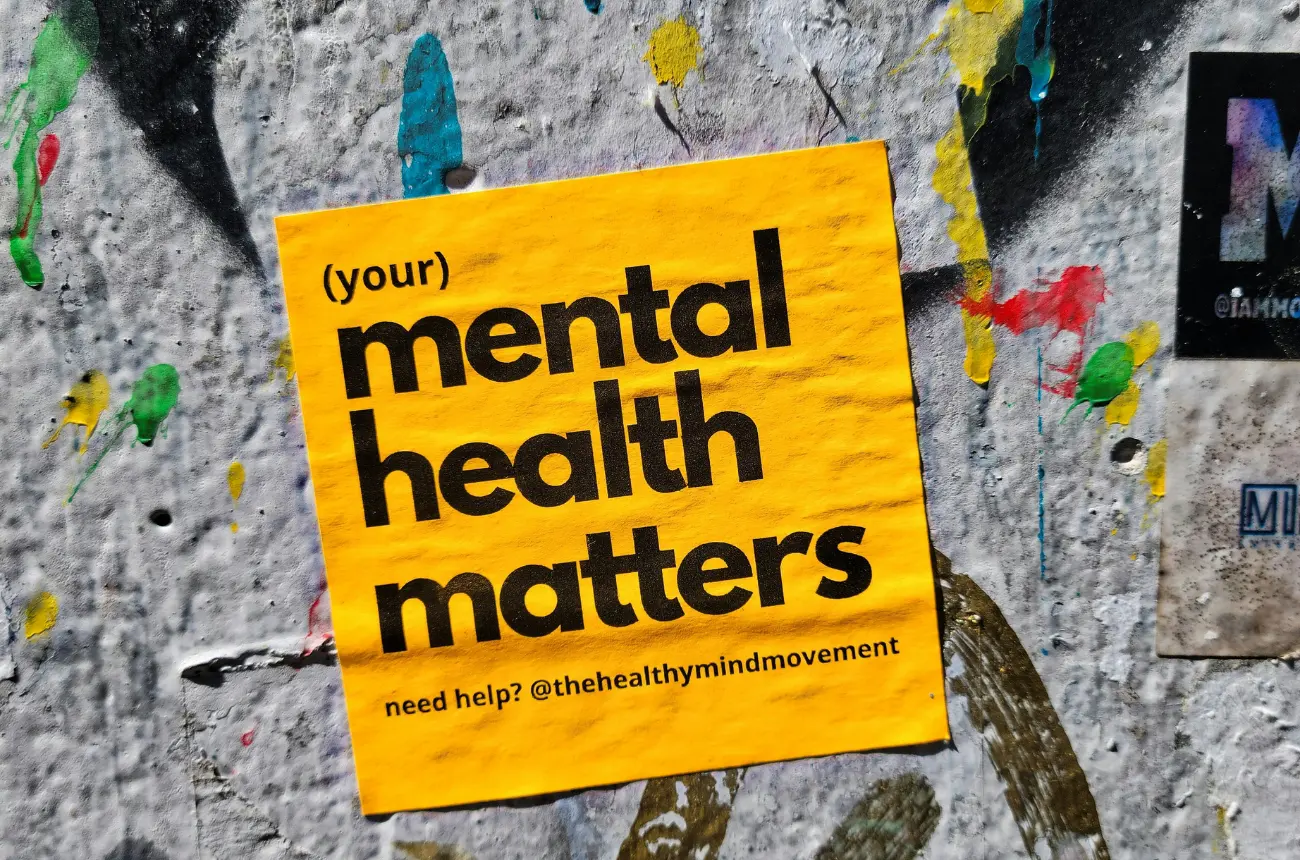
In Part One, we emphasized the importance of recognition as the first step toward addressing mental health challenges. Many African immigrants come from cultural environments where awareness of mental health as an important aspect of overall wellbeing is downplayed. As a result, many immigrants are often culturally less attuned to the possibility of mental health disturbances. When removed from their natural environments, where climate, culture, family structures, and informal support networks collectively reinforce a sense of identity, belonging, and emotional stability, newcomers can easily become vulnerable.

Developing Healthy Routines, Cultural Practices, and Balance
As a newcomer to Canada, cultivating structure and routine is an important strategy for maintaining mental wellbeing. A well-organized routine can serve as a protective buffer against boredom, loneliness, stress, and other psychological strain. When daily activities such as physical exercise, sleep, recreation, and self-care are intentionally integrated into one’s life, individuals often begin to experience improved emotional balance. Over time, these routines become embedded habits that require less conscious effort and contribute to long-term stability.
It is also important not to abandon cultural practices that provide comfort and identity. Relocating to Canada does not mean detaching from meaningful traditions, values, or activities that once supported emotional wellbeing. Equally important is the need to balance ambition with personal wellbeing. This balance is highly individual and requires reflection, honesty, and continuous self-assessment. Once a sustainable rhythm is identified, it should be protected deliberately, even when external pressures make alternative choices seem more attractive.
Talking About What You Are Experiencing
Mental health challenges are often multifaceted and can gradually intensify if left unaddressed. In many home countries, emotional distress may appear to resolve naturally due to the presence of strong informal support systems, communal living, and environmental familiarity. However, in the Canadian context, immigrants must be more intentional in how they respond to emotional strain.
One of the most effective steps is learning to speak about what one is experiencing. This involves moving beyond silent endurance and recognizing the value of trusted conversations with family, friends, mentors, and community leaders. Despite cultural stigma, emotional expression should be understood as a strength rather than a weakness. In many African cultural contexts, individuals are not always socialized to articulate emotions; instead, feelings are often expressed through behavior rather than verbal communication. However, learning to clearly express stress, anxiety, and uncertainty is a critical step toward emotional relief and access to both social and professional support.
Seeking Professional Support
In many Black and African cultural contexts, professional mental health support is often underutilized due to misconceptions about therapy. There is a persistent belief that seeking therapy implies mental instability or personal failure. However, therapy is not a sign of weakness; rather, it is a structured form of support that becomes especially important when informal systems are no longer sufficient.
Accessing counselling and mental health services in Canada should not be viewed as a last resort or a sign of inadequacy, but as a proactive step toward wellbeing. Overcoming stigma surrounding therapy within African immigrant communities remains a significant challenge, yet it is an essential part of improving long-term mental health outcomes in the diaspora.
Redefining Strength and Resilience
Ultimately, there is a need to challenge the idea that resilience means suffering in silence. True strength lies not in enduring alone, but in recognizing when support is needed and taking action to seek it. Help-seeking should be reframed as a form of self-awareness and self-care, not dependence or weakness.
In the diaspora, resilience must also involve balancing independence with interdependence, knowing when to rely on oneself and when to lean on others. In this way, immigrants can move beyond merely surviving their environment and begin to truly thrive within it.


SoftCanada does not assume responsibility for content published on external websites or sourced from third parties.


.webp)
.webp)

.webp)



.webp)
Built on Belief and Backed by Great Deals: Soft Canada Auctions Launches to make winners every week.
How to Survive Your First Winter Without Overspending
The Truth About Loneliness Among New Immigrants in Canada
BISC MedSpa & Cosmetics Opens Its Doors in Etobicoke — Beauty Gets a New Home in Toronto
Why Many Newcomers Are Leaving Toronto and Vancouver for Smaller Cities
The Rise of “Soft Life” Economics Among African Immigrants in Canada
We Were in the Room: Classico Roma Opens Its New Luxury Showroom in North York
Inside the Launch of Halton Fertility & Women's Health Centre
Why Immigrants Regret Moving from the UK to Canada
Study Permit Refusals: Common Reasons International Students Are Seeing Rejections