




.webp)


An analysis of Canada’s shifting immigration patterns, exploring how rising costs, housing pressures, job opportunities, and lifestyle preferences are driving newcomers from major cities to smaller urban centres.
.png)




For many immigrants from Nigeria and other parts of Africa, migration represents far more than an escape from the socio-economic challenges associated with struggling systems and limited opportunities. It is often viewed as a long-term strategy for personal advancement, financial stability, and generational transformation. As a result, the acquisition of relevant, high-demand skills and educational qualifications becomes a top priority for many newcomers seeking to remain competitive in foreign labour markets. To achieve this, many immigrants devote themselves to continuous self-development through formal education, professional certifications, technical training, and workplace experience.
For these immigrants, migration is not simply about relocation; it is about building competence, relevance, and long-term sustainability not only for themselves, but also for the sustenance and potential transformation of their families and loved ones back home. Broadly speaking, remittances have become a common reality that resonates deeply with many immigrants in the diaspora, serving as a symbol of connection, responsibility, and enduring familial duty.

The Silent Pressure of Being the One Abroad
For many immigrants in the diaspora, there is often a silent pressure rooted deeply in family expectations, emotional bonds, and enduring ties to loved ones back home who may still be navigating economic hardship. As a result, success abroad is frequently viewed not merely as a personal achievement, but as a collective responsibility tied to cultural values, sacrifice, and moral obligation. In many cases, immigrants are financially or emotionally supported by relatives and community members during their journey abroad, with the hope that their success will eventually create opportunities and relief for those left behind.
Consequently, the emotional weight of “being the one abroad” is a reality many immigrants quietly carry. Beyond adapting to a new society and striving for personal stability, they are often expected to become providers, problem-solvers, and symbols of hope for family members back home. While this responsibility can be a source of pride and motivation, it can also create emotional and financial pressure that shapes much of the immigrant experience.
Financial Strain and Personal Sacrifice
Many immigrants’ live lives marked by personal sacrifice, often forgoing extravagance and, at times, even basic comforts in the medium and long term for the sake of supporting their families back home. Reduced savings, delayed goals and lifestyle adjustments are not uncommon. In many instances, the immigrant experience is characterized by grappling with the stress of managing dual financial responsibilities.
Emotional Complexity of Distance
The emotional complexity of this aspect of the immigrant experience can be difficult to untangle. It is a multilayered phenomenon in which money, in some cases, serves as a substitute for physical presence. Within this dynamic, feelings of guilt, pride, and an intensified sense of responsibility often become closely intertwined, shaping how immigrants relate to both their lives abroad and their families back home.
Remittances sent by immigrants to loved ones back home reflect both sacrifice and care. It highlights the emotional depth of the immigrant experience, revealing the delicate balance between self-building and family support.


SoftCanada does not assume responsibility for content published on external websites or sourced from third parties.
.webp)
.webp)
.webp)
.webp)




.webp)
.webp)
.webp)
Canada vs. the United States: Where Is It Easier for an Immigrant to Build a Life? — Part 2
Fonthill Welcomes Fountain Veritas Medical Centre
Inside the Expedier Business Gala: A Room Full of Business Owners and a Platform Ready to Back Them
A New Governor Takes the Helm: Uche Okugo Installed as District Governor of Rotary International District 7080
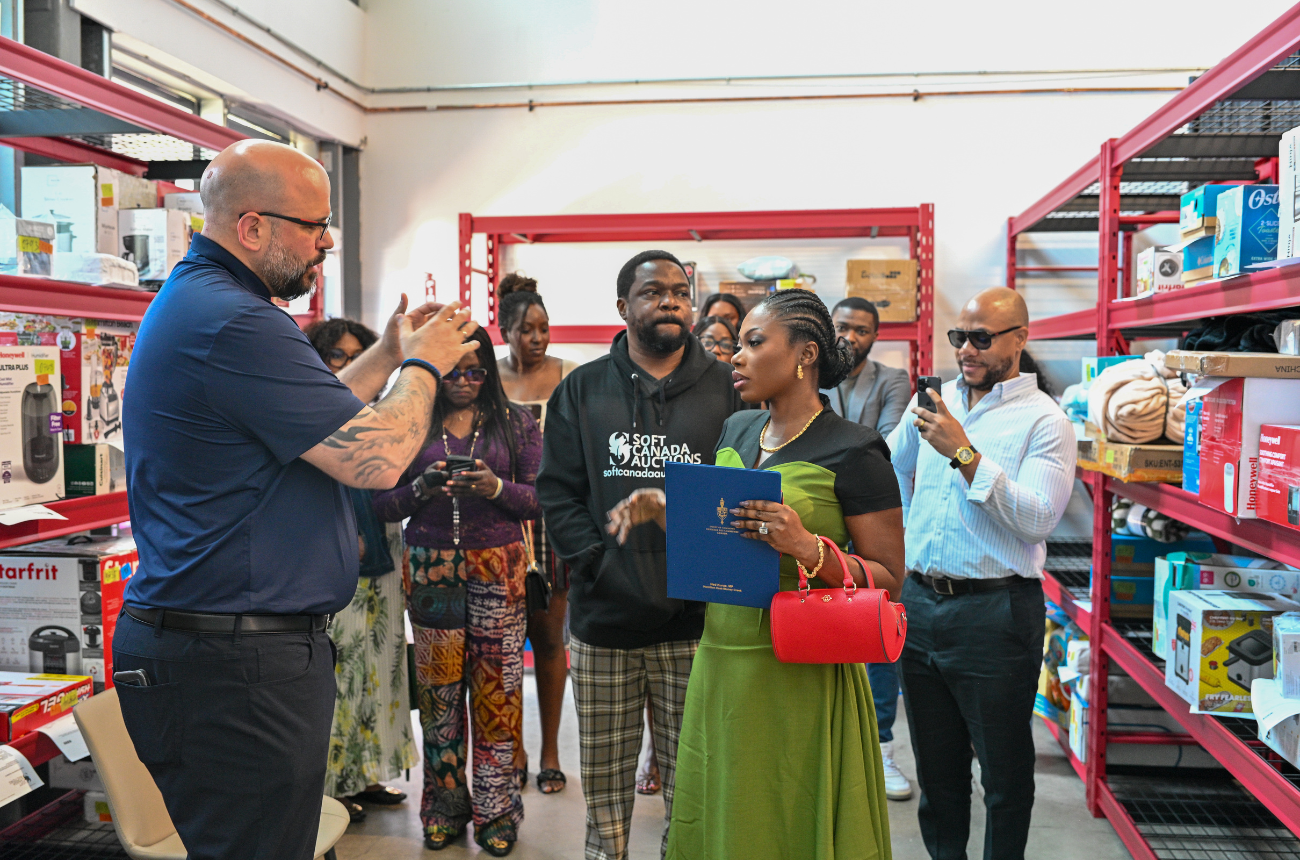
Built on Belief and Backed by Great Deals: Soft Canada Auctions Launches to make winners every week.
How to Survive Your First Winter Without Overspending
The Truth About Loneliness Among New Immigrants in Canada
BISC MedSpa & Cosmetics Opens Its Doors in Etobicoke — Beauty Gets a New Home in Toronto
Why Many Newcomers Are Leaving Toronto and Vancouver for Smaller Cities
The Rise of “Soft Life” Economics Among African Immigrants in Canada