



.webp)


Canada’s latest IRCC work permit updates are reshaping post graduation pathways for Nigerian students. With tighter PGWP eligibility, mandatory language testing, revised durations, and stricter spousal work permit rules, informed planning is critical. This article explains what has changed, who is affected, and how Nigerian graduates can align study choices, careers, and timelines with Canada’s evolving immigration priorities in 2026.
.png)




The ongoing federal adjustments to the IRCC work permit framework have become a major source of anxiety for international students, and Nigerian graduates in Canada are no exception. In a policy environment that keeps evolving, understanding the nuances of the latest Post-Graduation Work Permit (PGWP) changes is no longer optional, it is essential for effective planning, informed decision-making, and realistic post-study employment expectations. Here are the most important changes you need to know.
Diploma students should take on programs in high demand sectors
As of January 2026, Nigerian graduates in Canada must be particularly attentive to these PGWP changes if they hope to improve their chances of remaining and working in the country. One of the most significant shifts is the clear differentiation between university degree holders and college diploma graduates. Students who earn university qualifications, such as BSc, Master’s, or PhD degrees, remain generally eligible for a PGWP upon graduation. However, college diploma holders now face tighter eligibility conditions. Their programs must be directly linked to high-demand sectors such as healthcare and social services, STEM, education, skilled trades (including carpentry, plumbing, electrical work, welding, HVAC), transportation, construction management, and agriculture.
Language proficiency strictly mandated
Another notable change is the introduction of mandatory language proficiency requirements for PGWP applicants. Even though Nigeria is an English-speaking country, graduates must now submit valid results from approved tests such as IELTS General Training, CELPIP General, or PTE Core. The required proficiency level varies by qualification: university degree holders must meet a minimum of CLB 7 (equivalent to IELTS 6.0), while college diploma graduates must meet at least CLB 5. These test results must be recent, taken within the last two years, and must cover listening, speaking, and writing.
.webp)
PGWP DURATION, University degree holders VERSUS college diploma holders
In terms of permit duration, most graduates who meet the criteria can still expect up to a three-year work permit. PhD, Master’s, Bachelor’s, and college graduates whose programs lasted two years or more remain eligible for a three-year PGWP. However, college diploma holders whose programs were less than two years will typically receive a one-year work permit, limiting the time available to secure skilled employment and transition to permanent residence.
Spouses of international students and PGWP holders
There are also important implications for spouses of international students and PGWP holders. Generally, spouses are only eligible for an open work permit if the student is enrolled in a Master’s or Doctoral program lasting at least 16 months. After graduation, spousal work permit renewals are no longer tied to the degree earned, but to the employment status of the PGWP holder. To support a spouse’s work permit renewal, the graduate must be employed in a high-skilled role classified under TEER 0, 1, 2, or 3. PGWP holders working in management or professional roles, or in specific TEER 2–3 occupations experiencing labour shortages, can successfully secure work permit renewals for their spouses.
Additional details for preparation
Prospective and current Nigerian students should also be aware of several often-overlooked but crucial changes: Flag polling ban: There is a flag polling ban which means that PGWP applications can no liner be made at the border. The new PGWP update requires all application to be submitted online or through a secure IRCC account.
The “50% Rule”: At least 50% of the academic program must be completed in person within Canada to qualify for a PGWP.
PAL Exemption: From 2026, Master’s and PhD students are exempt from the Provincial Attestation Letter (PAL) requirement. This is great because it expedites the pathway for prospective international students to become students as the first step towards graduating and being eligible for a work permit.
The recent PGWP policy changes reflect Canada’s broader effort to tighten its post-study work system, prioritize labour-market relevance, and regulate temporary migration more effectively. For Nigerian graduates and prospective students, these changes underscore the importance of choosing the right institution, program type, duration, and career pathway from the outset.

SoftCanada does not assume responsibility for content published on external websites or sourced from third parties.
.webp)
.webp)
%20(1).webp)


.webp)
.webp)
.webp)

Inside the Expedier Business Gala: A Room Full of Business Owners and a Platform Ready to Back Them
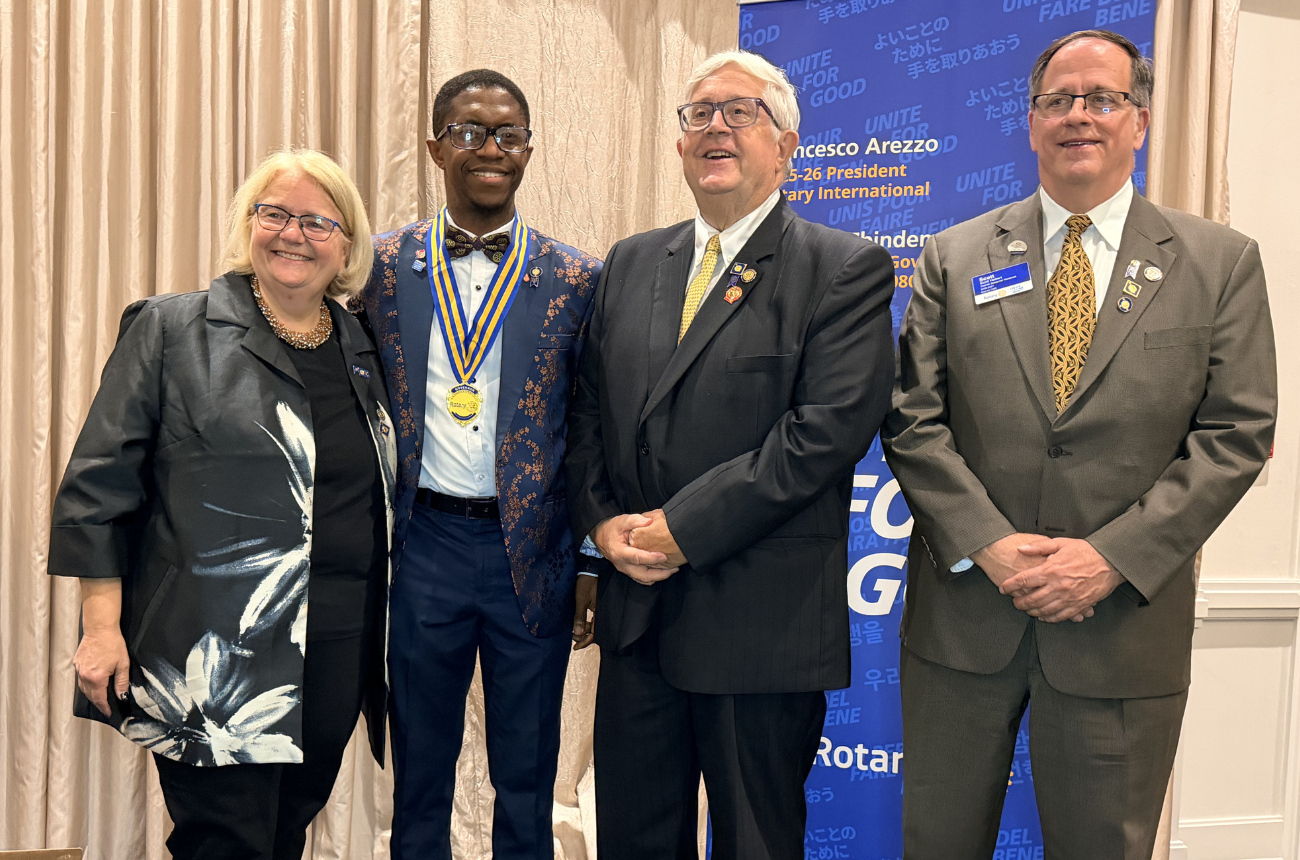
A New Governor Takes the Helm: Uche Okugo Installed as District Governor of Rotary International District 7080
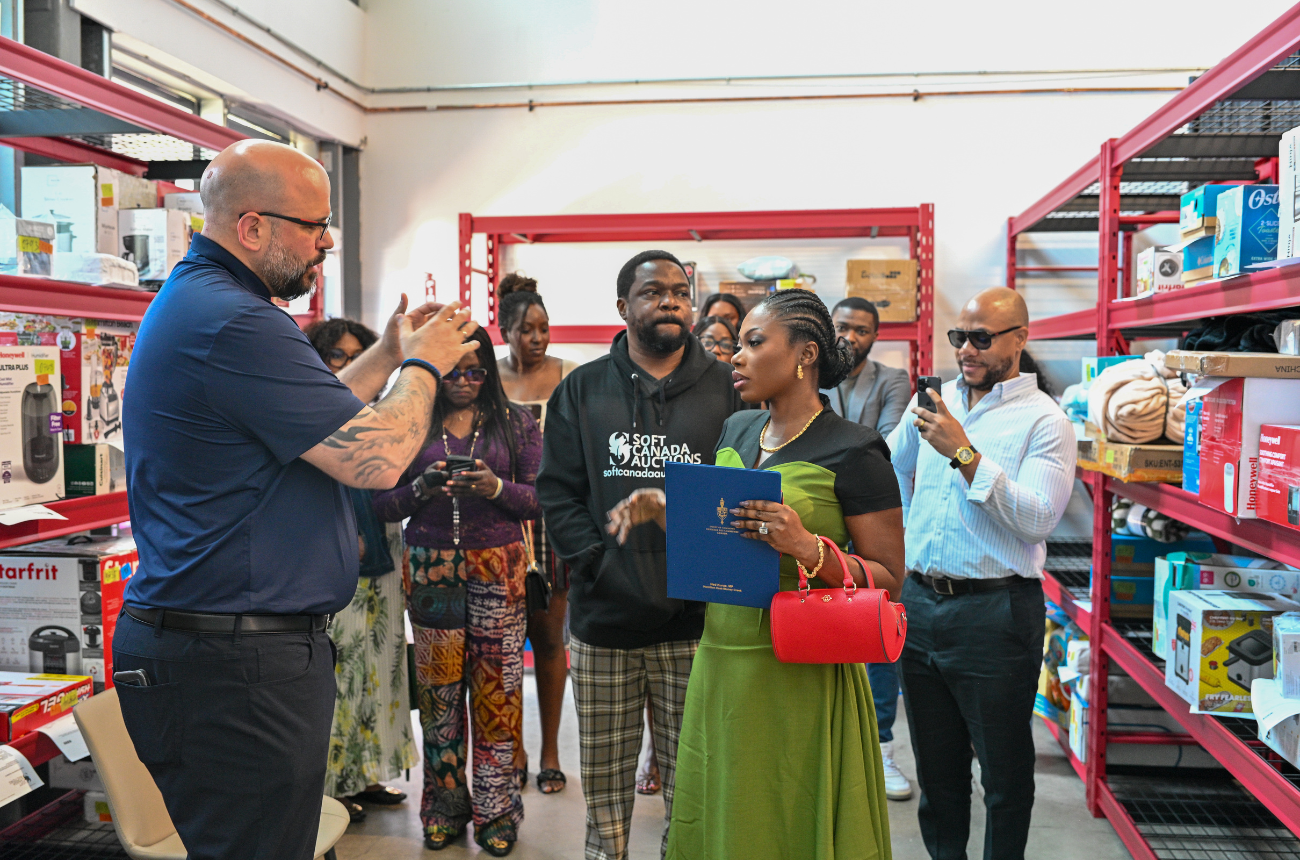
Built on Belief and Backed by Great Deals: Soft Canada Auctions Launches to make winners every week.
How to Survive Your First Winter Without Overspending
The Truth About Loneliness Among New Immigrants in Canada
BISC MedSpa & Cosmetics Opens Its Doors in Etobicoke — Beauty Gets a New Home in Toronto
Why Many Newcomers Are Leaving Toronto and Vancouver for Smaller Cities
The Rise of “Soft Life” Economics Among African Immigrants in Canada
We Were in the Room: Classico Roma Opens Its New Luxury Showroom in North York
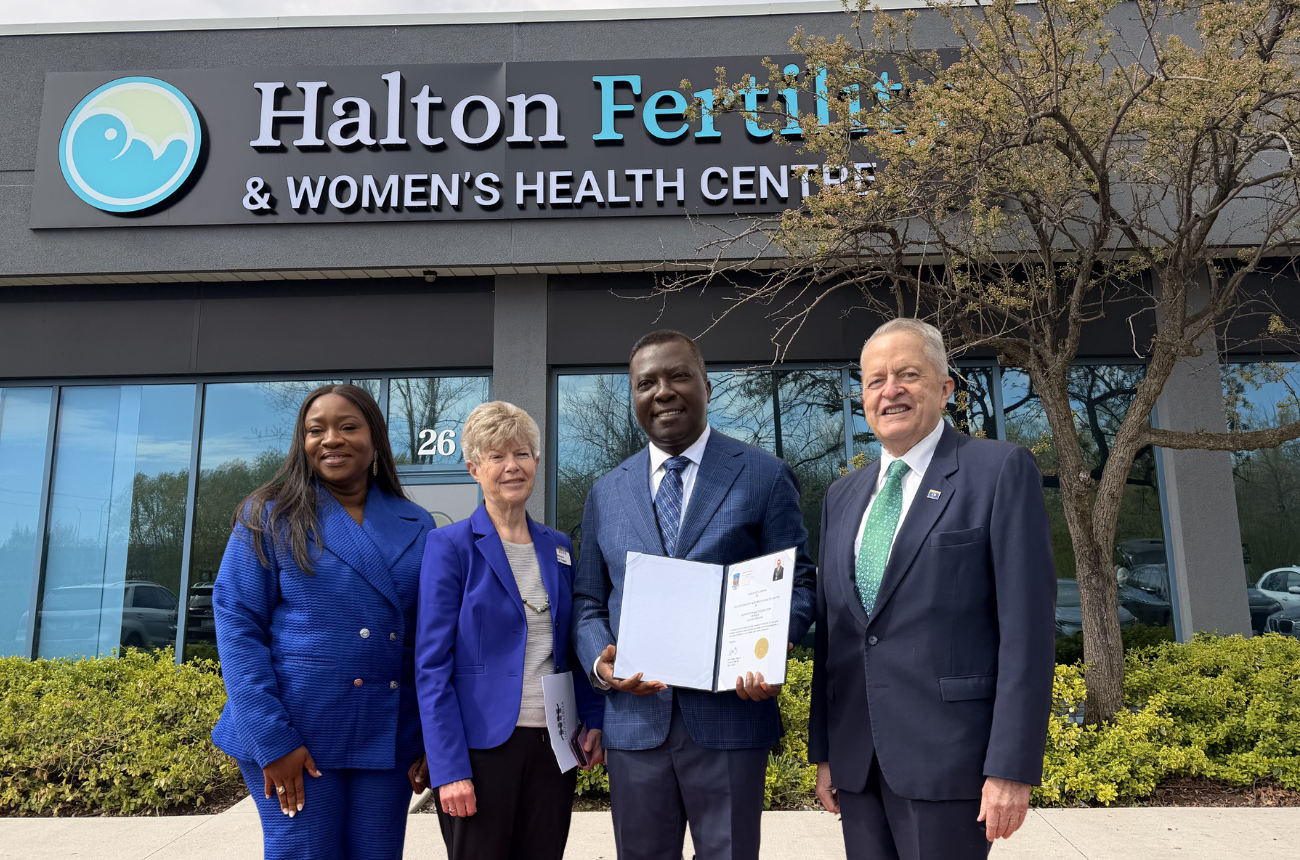
Inside the Launch of Halton Fertility & Women's Health Centre