




.webp)


You can have hundreds of online connections in Canada and still feel alone—here’s why building a real community may be one of the most important parts of settling in.





Moving to Canada can come with an unexpected contradiction. You may arrive with hundreds of WhatsApp contacts, Instagram followers, Facebook groups and LinkedIn connections, yet suddenly realize that you do not have anyone nearby to call when you need actual help. You can be connected to the entire world and still feel surprisingly alone. For newcomers, this is one of the less-discussed parts of settling into Canada. Much of the conversation around immigration focuses on getting a visa, finding a job, securing accommodation and managing the cost of living. But there is another question that matters just as much: Who are you going to build a life with?
Being connected online is useful. Building a community, however, is something different.
.webp)
What Does Being Connected Online Really Mean?
For newcomers, social media can be an incredibly valuable tool. Facebook groups, WhatsApp communities, LinkedIn, Instagram and other platforms can help people find immigration information, discover job opportunities, ask questions and connect with others who have gone through similar experiences.
They also make it possible to maintain relationships with family and friends back home.
A newcomer in Toronto can be discussing job opportunities with someone in Vancouver, exchanging immigration tips with someone in Calgary and talking to family in Lagos, all before breakfast. That is an extraordinary level of connectivity.
But there is a catch.
Being able to message someone does not necessarily mean that person is part of your support system. You may have 500 people who can see your birthday post and still struggle to find one person who can help you when your car breaks down.
What Does It Mean to Have a Community?
Community goes beyond communication.
A community is made up of people with whom you develop trust, familiarity, shared experiences and some degree of mutual responsibility. These are people who know more about you than your profile picture and who are willing to show up when life becomes inconvenient.
That last part matters.
Someone who comments “Congratulations!” under your new-job announcement is connected to you. Someone who helps you prepare for the interview, recommends you to an employer or celebrates with you afterwards is becoming part of your community.
Community is built through repeated interaction, shared experiences and reciprocity.
And unlike a social-media follower, a community member cannot simply disappear because the algorithm changed.
The Newcomer Experience: Everyone Is New Until Someone Isn't
Moving to a new country can make even confident people feel socially inexperienced.
You may know how to navigate immigration paperwork, find an apartment and use public transportation, but still have no idea where people actually go to make friends.
The first few months can become a cycle of work, commuting, grocery shopping, paying bills and going home. You may even spend more time talking to your landlord, immigration consultant and Uber driver than your neighbours. This can become particularly difficult when your family and long-term friends remain thousands of kilometres away.
That is why building community should not be treated as an optional extra. It is part of settling down.
The Illusion of Having a Huge Social Circle
Social media can make our social lives look much larger than they actually are.
You may belong to several newcomer groups with hundreds of members. Your phone may constantly receive notifications. Someone may always be liking your posts.
But when you are sick, overwhelmed or simply having a terrible week, the number of notifications on your phone suddenly becomes much less impressive. There is an important distinction between an audience, a network and a community. An audience watches you. A network connects you to opportunities and information. A community participates in your life. You need all three, but they are not interchangeable.
Where Can Newcomers Find Real Community in Canada?
The good news is that Canada offers many opportunities to build meaningful relationships.
Community centres, sports clubs, gyms, professional associations, volunteer organizations, cultural groups, universities, colleges, libraries and neighbourhood events can all provide opportunities to meet people. Work can also be an important starting point, although professional relationships do not automatically become friendships. The key is consistency. Attending one event once may introduce you to people. Returning regularly gives those people an opportunity to become familiar with you. Friendship rarely arrives with a welcome package. Sometimes you simply have to keep showing up.
Your Online Network Can Become Your Offline Community
The solution is not to abandon social media. In fact, your online connections can be the starting point for building a real community in Canada. If you meet someone through a newcomer Facebook group, LinkedIn or an online professional community and the conversation is useful, consider taking the relationship beyond the screen. Invite them for coffee. Attend an event together. Join a sports activity. Volunteer together. The internet can introduce you to people, but shared experiences are what deepen relationships. That is when an online connection can become an actual friendship.
Why Community Matters So Much for Newcomers
Community can make the adjustment to Canada considerably easier.
A strong social circle can provide emotional support, professional connections, practical advice and a sense of belonging. Someone may tell you about a job opening, explain how something works locally, recommend a service or simply give you somewhere to go when you need company. These seemingly small things can have a major impact on the newcomer experience. Economic success matters, but humans do not live on paycheques alone. You can have a good job and still feel lonely. You can have a comfortable apartment and still feel disconnected. You can have permanent residence and still feel like you are visiting. Belonging comes from relationships.
Don't Build a Community Only With People From Home
For many newcomers, the easiest place to start is with people who share the same country, language or cultural background. There is absolutely nothing wrong with that. Familiarity can provide comfort, practical assistance and a sense of continuity when almost everything else feels new. But newcomers should also consider expanding beyond their existing cultural circles. Building friendships with Canadians and people from different cultural backgrounds can help you understand your new environment, develop broader professional networks and experience different aspects of Canadian society. Integration does not mean abandoning where you came from. It means adding new relationships to the ones you already have.
Building Community Takes Intention
The biggest mistake is waiting for community to happen automatically. It probably will not. If you want deeper relationships, you may need to initiate conversations, attend activities regularly, invite people out and follow up after meeting them. Start small. You do not need to build a social empire. Find one activity you genuinely enjoy. Attend regularly. Talk to people. Remember their names. Offer help. Accept invitations. Eventually, familiar faces can become friends, and friends can become a community. The process may feel awkward at first. That is normal. Almost every friendship begins with two people who were once strangers deciding to have one more conversation.
Canada Can Become Home Through People
For newcomers, building a life in Canada is about much more than finding employment, paying rent and securing immigration status. It is also about finding people who make the country feel less foreign. Your online connections can help you find information, opportunities and people. But community requires something more: presence, trust, consistency and shared experiences. You can have thousands of followers and still have nobody to call at 2 a.m. You can also arrive in Canada knowing almost nobody and, over time, build a circle of people who make the country feel like home. The internet can help you find your people.
But showing up, staying connected and building real relationships is what turns those people into your community.


SoftCanada does not assume responsibility for content published on external websites or sourced from third parties.
.webp)
.webp)
.webp)
.webp)




.webp)
.webp)

.webp)
Canada vs. the United States: Where Is It Easier for an Immigrant to Build a Life? — Part 2
Fonthill Welcomes Fountain Veritas Medical Centre
Inside the Expedier Business Gala: A Room Full of Business Owners and a Platform Ready to Back Them
A New Governor Takes the Helm: Uche Okugo Installed as District Governor of Rotary International District 7080
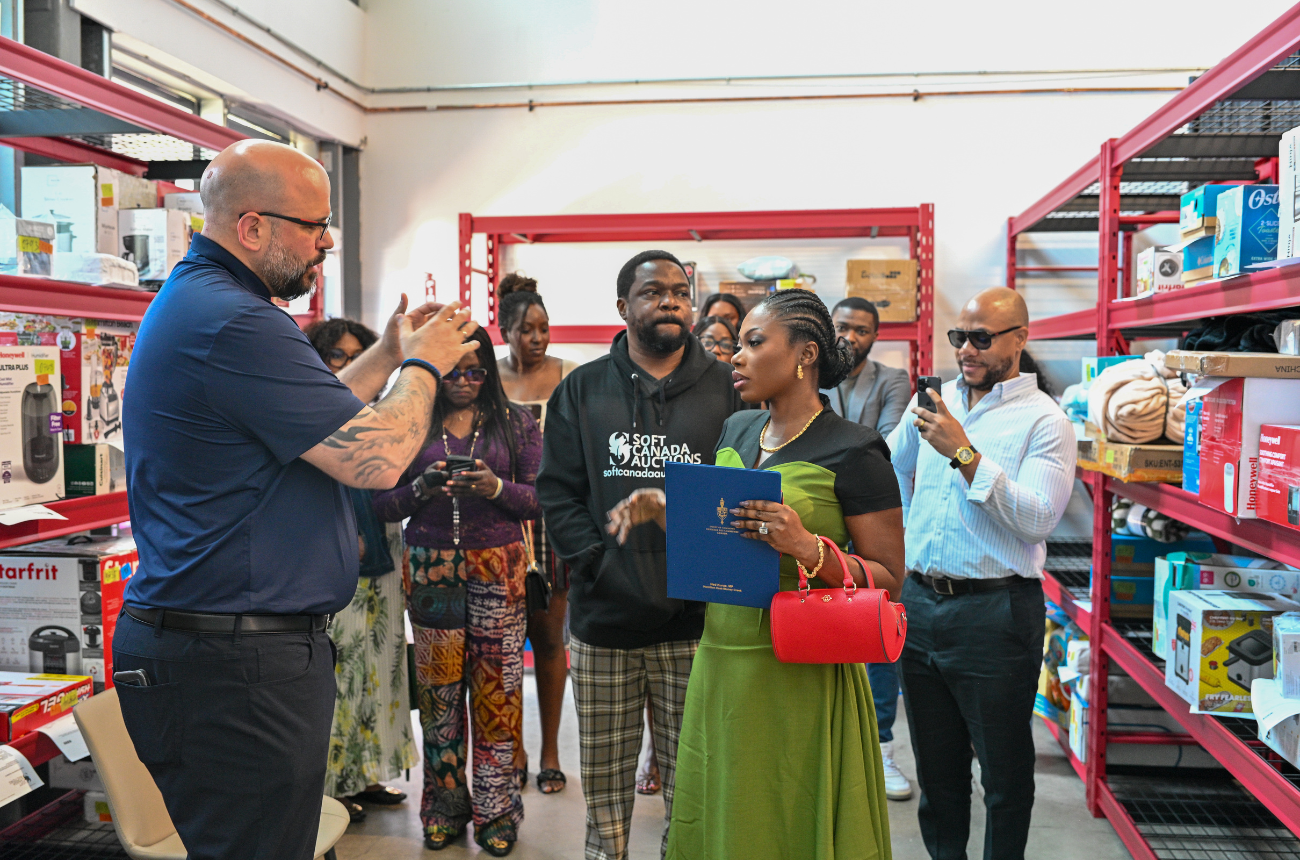
Built on Belief and Backed by Great Deals: Soft Canada Auctions Launches to make winners every week.
How to Survive Your First Winter Without Overspending
The Truth About Loneliness Among New Immigrants in Canada
BISC MedSpa & Cosmetics Opens Its Doors in Etobicoke — Beauty Gets a New Home in Toronto
Why Many Newcomers Are Leaving Toronto and Vancouver for Smaller Cities
The Rise of “Soft Life” Economics Among African Immigrants in Canada