




.webp)


IRCC has updated Canada’s citizenship-by-descent forms, clarifying how applicants can prove eligibility and, in some cases, a Canadian parent’s physical presence in Canada.
.png)




Canada has updated its proof of citizenship application package, giving people seeking Canadian citizenship by descent clearer instructions on how to prove their eligibility.
Immigration, Refugees and Citizenship Canada (IRCC) updated four documents on August 25, 2026: the citizenship certificate application (CIT 0001), document checklist (CIT 0014), physical presence form (CIT 0555), and instruction guide.
.webp)
What Is Citizenship by Descent?
Citizenship by descent allows a person born outside Canada to acquire Canadian citizenship through a Canadian parent. Unlike naturalization, the person does not need to immigrate to Canada first and then apply for citizenship.
Canada significantly changed its citizenship-by-descent rules when Bill C-3 took effect on December 15, 2025. The legislation removed the previous first-generation limit in certain circumstances, including for people whose Canadian parent was also born or adopted outside Canada.
However, the changes introduced an important physical presence requirement for some future generations.
The New 1,095-Day Physical Presence Requirement
For people born outside Canada on or after December 15, 2025, where their Canadian parent was also born or adopted outside Canada, the Canadian parent must generally demonstrate at least 1,095 cumulative days, three years, of physical presence in Canada before the child's birth.
This requirement does not apply to people born before December 15, 2025. Those affected by the previous first-generation limit may now benefit from the changes introduced by Bill C-3.
What Changed in the Forms?
The updated CIT 0555 provides more detailed instructions on proving a Canadian parent's physical presence in Canada.
Applicants may need evidence such as:
IRCC also specifies that supporting documents should be clear, readable colour copies of authentic records. The updated forms provide more detailed requirements for affidavits, including the name, mailing address and email or telephone number of the person providing the affidavit.
What This Means for Applicants
The changes do not create a new citizenship program. Instead, they provide clearer guidance on how applicants can demonstrate eligibility under Canada's updated citizenship-by-descent framework.
If you are claiming Canadian citizenship through a parent born or adopted outside Canada, particularly for a child born on or after December 15, 2025, it is important to review the updated forms and supporting-document requirements before submitting an application.
IRCC may return incomplete applications, which can delay the process.
For families affected by the new rules, keeping detailed records of a Canadian parent's time in Canada could become increasingly important as citizenship by descent extends beyond the first generation.


SoftCanada does not assume responsibility for content published on external websites or sourced from third parties.
.webp)
.webp)
.webp)
.webp)




.webp)
.webp)

.webp)
Canada vs. the United States: Where Is It Easier for an Immigrant to Build a Life? — Part 2
Fonthill Welcomes Fountain Veritas Medical Centre
Inside the Expedier Business Gala: A Room Full of Business Owners and a Platform Ready to Back Them
A New Governor Takes the Helm: Uche Okugo Installed as District Governor of Rotary International District 7080
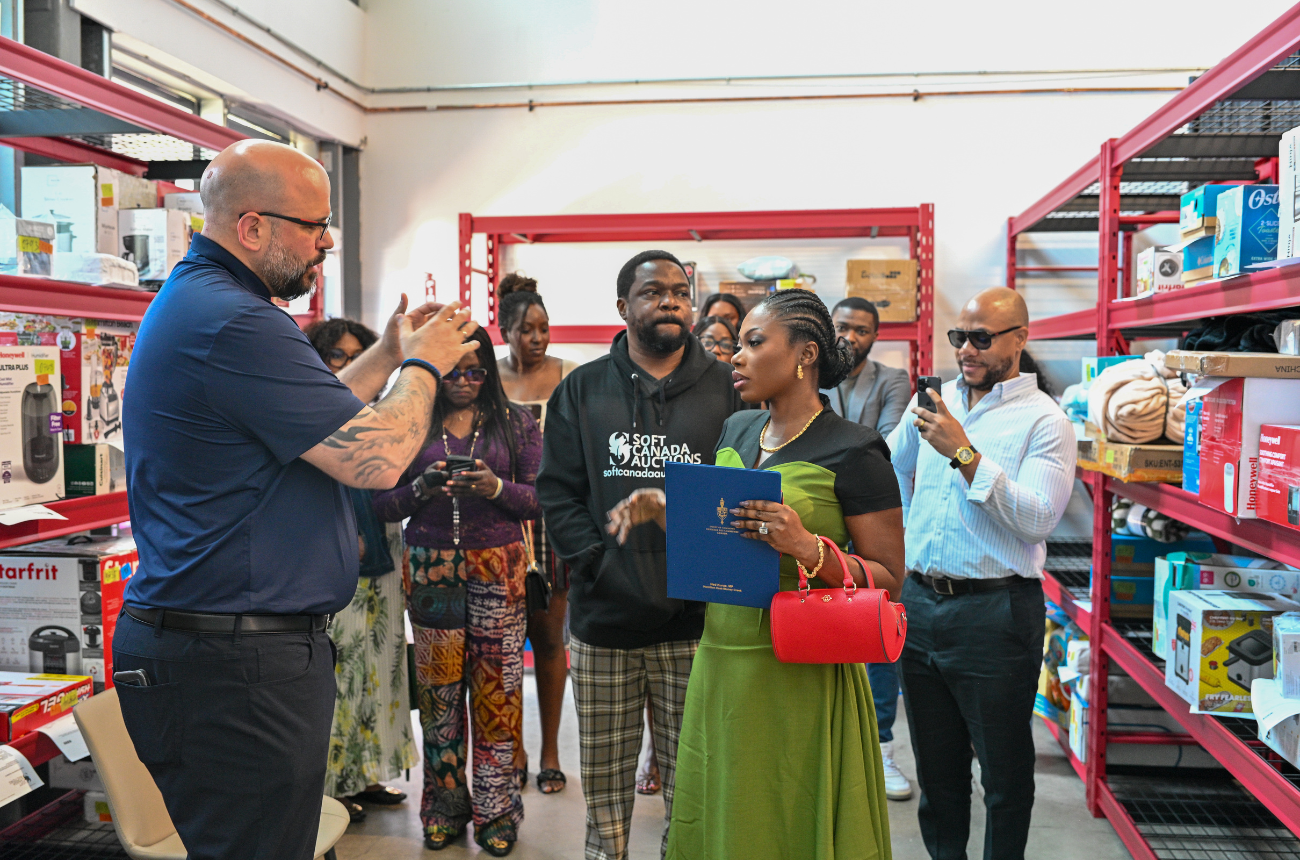
Built on Belief and Backed by Great Deals: Soft Canada Auctions Launches to make winners every week.
How to Survive Your First Winter Without Overspending
The Truth About Loneliness Among New Immigrants in Canada
BISC MedSpa & Cosmetics Opens Its Doors in Etobicoke — Beauty Gets a New Home in Toronto
Why Many Newcomers Are Leaving Toronto and Vancouver for Smaller Cities
The Rise of “Soft Life” Economics Among African Immigrants in Canada