




.webp)


Understanding the Canadian financial system, building healthy spending habits, and creating a foundation for long-term stability and independence.





For many newcomers, arriving in Canada means entering a financial world with unfamiliar rules. The way people earn, spend, save, borrow, and build wealth may differ significantly from what they experienced back home. Money quietly influences almost every area of life; from where you live and the opportunities available to you, to your sense of security and independence. Understanding the Canadian financial system is therefore not just about managing dollars; it is about gaining the confidence and knowledge needed to build a stable future. Newcomers must become familiar with common financial pressures and understand how the system works. A money habit that may have been practical in one country could create crippling challenges in another because financial systems, expectations, and opportunities are different. Building new financial habits must therefore begin with understanding the Canadian financial landscape. Here are smart money habits every newcomer should develop.
Building a Strong Financial Foundation
Money habits are not created in a vacuum. They are often shaped by the financial landscape, cultural experiences, and prevailing economic realities of the environment people live in. In a relatively stable and predictable financial system like Canada’s, creating a realistic monthly budget based on actual income and expenses is one of the most important steps toward financial stability.
Many immigrants come from financial systems where credit does not play the same central role it does in Canada. As a result, one of the first and most important steps is understanding the Canadian banking system, credit scores, and financial responsibilities. This knowledge provides the foundation for building an emergency fund, preparing for unexpected expenses, and making informed financial decisions.
Regardless of the financial system someone comes from, learning the difference between needs, wants, and financial priorities is essential. For newcomers to Canada, this understanding becomes even more important as they adapt to a new economy while building a secure future.
Developing Healthy Saving and Spending Habits
Building financial stability in Canada is not always about how much money you earn; it is often about how intentionally you manage what you have. For many newcomers, the early years involve balancing multiple responsibilities; settlement costs, family obligations, career development, and everyday expenses. Developing disciplined saving and spending habits creates a foundation for long-term financial confidence.
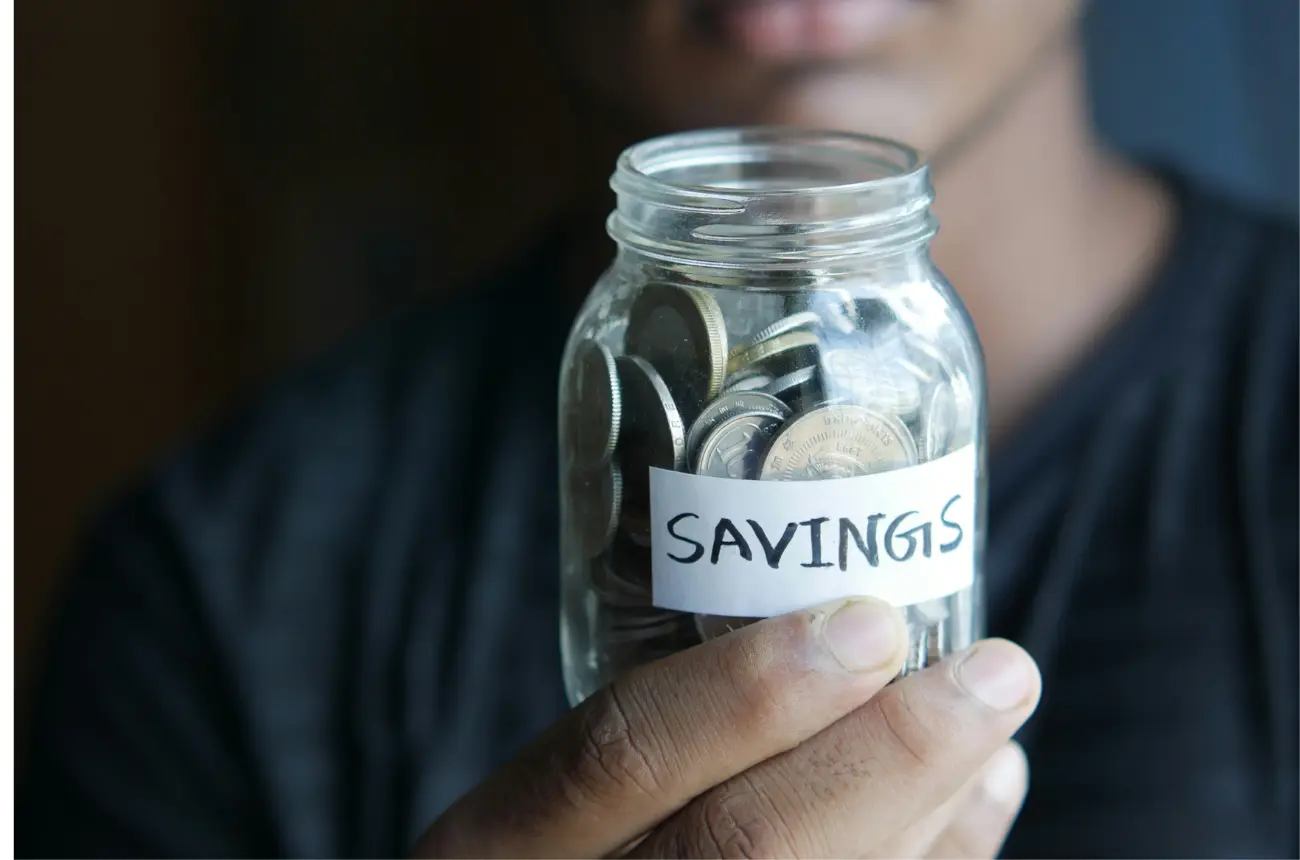
Saving consistently, even with a limited income, is one of the most powerful financial habits a newcomer can develop. While it may seem difficult to set money aside during the early stages of settlement, small and consistent contributions can gradually create financial security. The goal is not to save large amounts immediately but to build the habit of prioritizing your future.
Simple strategies such as automatic savings and expense tracking can make financial management easier. Automatically transferring a portion of your income into savings reduces the temptation to spend everything available. Tracking expenses also provides a clearer picture of where your money goes and helps identify areas where adjustments can be made.
Smart spending is equally important. Making informed decisions when choosing housing, groceries, insurance, transportation, and everyday services can significantly impact financial stability. In a new country, learning how prices, contracts, and consumer choices work can prevent unnecessary financial pressure.
Take Advantage of Available Resources
Newcomers should also take advantage of available resources. Discounts, community programs, settlement services, and newcomer support initiatives can provide valuable assistance while adjusting to life in Canada. These opportunities are not signs of financial limitation; they are tools designed to help people establish themselves successfully.
Perhaps one of the biggest financial lessons is avoiding the pressure to achieve instant success. Many immigrants feel the need to quickly demonstrate progress because of the sacrifices made to relocate. However, sustainable financial growth is built through patience, discipline, and consistent decisions over time.
Developing a Healthy Relationship With Money
Money is more than numbers in a bank account; it is connected to emotions, identity, security, and personal goals. For many immigrants, financial success carries deep meaning because it represents sacrifice, opportunity, and the hope of creating a better future. However, maintaining a healthy relationship with money requires balance.
One challenge many newcomers face is the pressure to appear successful soon after arriving. There may be expectations from family, friends, or social circles to display visible signs of progress. However, true financial success is not measured by appearances but by stability, preparedness, and the ability to make choices with confidence.
Many immigrants also face the responsibility of supporting family members in their home countries while building their own financial future. While helping loved ones can be meaningful, it is important to create a balance that protects personal financial goals and long-term security.
In the age of social media, comparison can also become a financial trap. Seeing others’ achievements without understanding their full circumstances can create unrealistic expectations and encourage unnecessary spending. Every financial journey has its own timeline.
Ultimately, money should be viewed as a tool; not just for purchasing things, but for creating freedom, security, and opportunities. Smart financial habits help newcomers build more than wealth; they build confidence, independence, and peace of mind as they create a new life in Canada.


SoftCanada does not assume responsibility for content published on external websites or sourced from third parties.






.webp)
.webp)

.webp)


Inside the Expedier Business Gala: A Room Full of Business Owners and a Platform Ready to Back Them
A New Governor Takes the Helm: Uche Okugo Installed as District Governor of Rotary International District 7080
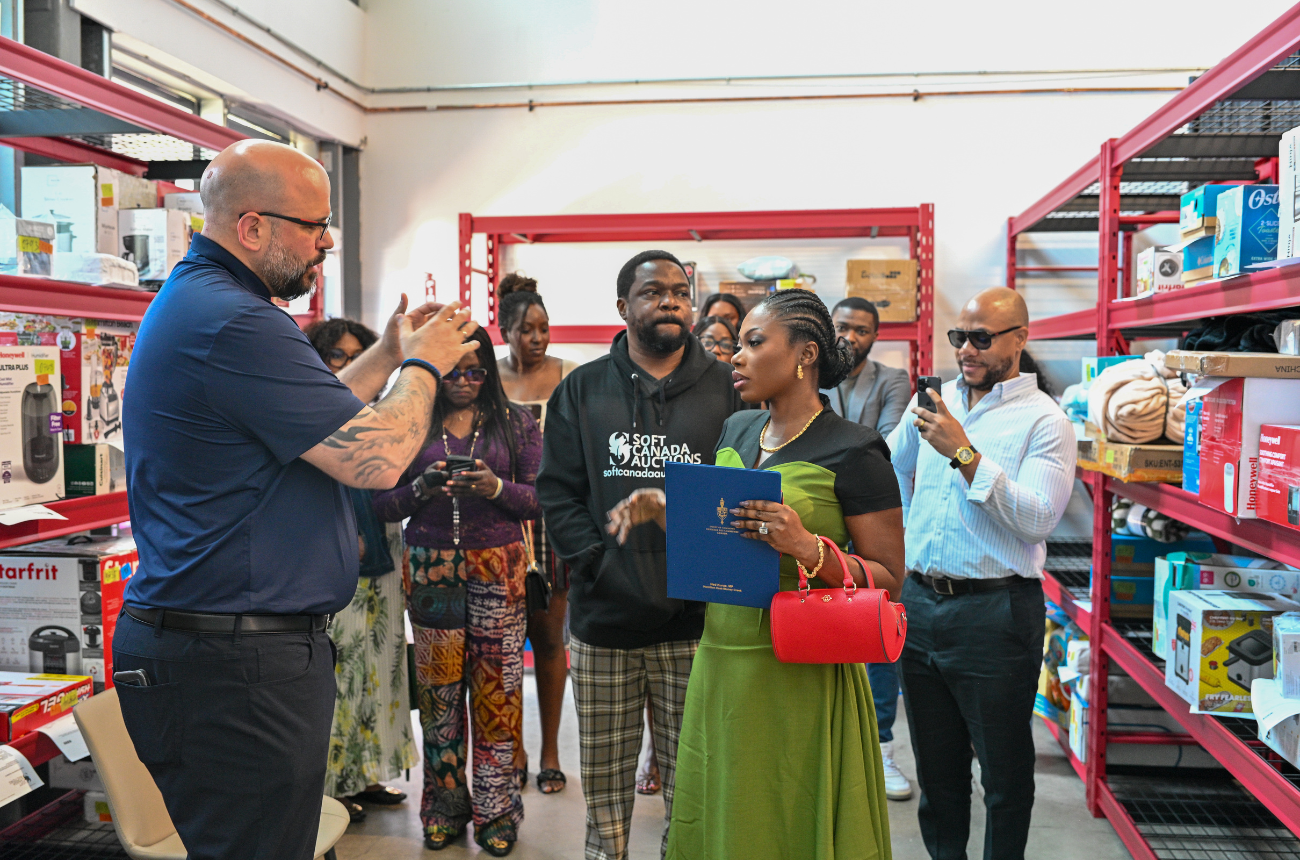
Built on Belief and Backed by Great Deals: Soft Canada Auctions Launches to make winners every week.
How to Survive Your First Winter Without Overspending
The Truth About Loneliness Among New Immigrants in Canada
BISC MedSpa & Cosmetics Opens Its Doors in Etobicoke — Beauty Gets a New Home in Toronto
Why Many Newcomers Are Leaving Toronto and Vancouver for Smaller Cities
The Rise of “Soft Life” Economics Among African Immigrants in Canada
We Were in the Room: Classico Roma Opens Its New Luxury Showroom in North York
Inside the Launch of Halton Fertility & Women's Health Centre