




.webp)


Explore the practical habits successful newcomers use to navigate change, build meaningful connections, strengthen career opportunities, and create a stable and fulfilling life in Canada.





Moving to Canada is an exciting milestone, but it also comes with significant adjustments. Beyond securing housing, finding employment, and understanding a new culture, newcomers must learn how to navigate unfamiliar systems, build relationships, and establish routines that support long-term success. While every immigrant's journey is unique, adapting to a new country often requires patience, resilience, and a willingness to embrace change.
Many people assume that successful settlement depends primarily on luck, timing, or finding the right job. Although these factors can influence the immigration experience, long-term success is more often the result of consistent daily habits. Small actions repeated over time gradually build confidence, improve financial stability, strengthen professional opportunities, and create a greater sense of belonging.
The following habits are commonly practiced by newcomers who successfully adapt to life in Canada and build rewarding personal and professional lives.
Maintaining a Positive and Adaptable Mindset
One of the most valuable habits successful newcomers develop is maintaining a positive and adaptable mindset. Immigration often involves unexpected challenges, including career setbacks, cultural differences, financial adjustments, and periods of uncertainty. Rather than viewing these experiences as failures, many successful immigrants see them as opportunities to learn and grow.
Adaptability allows newcomers to respond positively to changing circumstances instead of becoming discouraged. Being open to new ways of doing things, accepting constructive feedback, and remaining flexible can make the adjustment process smoother. Patience is equally important, as building a stable life in a new country rarely happens overnight. Every challenge overcome becomes another step toward long-term success.

Building Consistent Daily Routines
Establishing consistent daily routines provides structure during a period of significant change. Successful newcomers often develop routines that balance work, family responsibilities, personal development, and relaxation.
Simple habits such as waking up at a consistent time, planning meals, organizing daily tasks, and setting aside time for exercise or learning create stability and improve productivity. Effective time management also reduces stress and helps newcomers remain focused on both immediate responsibilities and long-term goals.
Over time, these routines become the foundation for a balanced and organized lifestyle.
Improving English or French Communication Skills
When many newcomers arrive in Canada, they often discover that their professional experience and qualifications are only part of the equation for success. A highly skilled engineer, nurse, teacher, or business professional may have years of experience, but communicating confidently in English or French can determine how easily they build relationships, navigate workplaces, and access new opportunities.
Consider the experience of many internationally trained professionals who arrive in Canada with impressive credentials but initially struggle during job interviews or workplace conversations because they are unfamiliar with Canadian communication styles. After dedicating time to improving their language skills through conversation groups, language classes, and daily practice, many find that doors begin to open. They become more confident expressing ideas, networking with professionals, and participating actively in their communities.
Strong communication skills play a vital role in successful integration. Practicing the language daily through conversations, reading, listening to local media, or attending language programs helps newcomers become more comfortable in professional and social settings. Improved communication also reduces misunderstandings and strengthens relationships with colleagues, neighbours, and community members.
Language proficiency is not simply about speaking correctly; it is about having the confidence to participate fully in Canadian society, share your ideas, and build meaningful connections in a new environment.
Building Professional and Social Networks
Successful newcomers understand that building relationships is just as important as developing professional qualifications. Networking creates opportunities to learn, receive guidance, and discover employment prospects that may not be publicly advertised.
Joining professional associations, attending networking events, participating in community programs, and connecting with both fellow immigrants and Canadians can expand personal and professional support systems. Strong networks often provide encouragement during difficult periods while opening doors to mentorship, collaboration, and career growth. Relationships built over time frequently become one of the most valuable assets an immigrant can have.
In the next and final part, wed be exploring unique habits that would help newcomers adjust to life in Canada.


SoftCanada does not assume responsibility for content published on external websites or sourced from third parties.
.webp)
.webp)
.webp)
.webp)




.webp)
.webp)

.webp)
Canada vs. the United States: Where Is It Easier for an Immigrant to Build a Life? — Part 2
Fonthill Welcomes Fountain Veritas Medical Centre
Inside the Expedier Business Gala: A Room Full of Business Owners and a Platform Ready to Back Them
A New Governor Takes the Helm: Uche Okugo Installed as District Governor of Rotary International District 7080
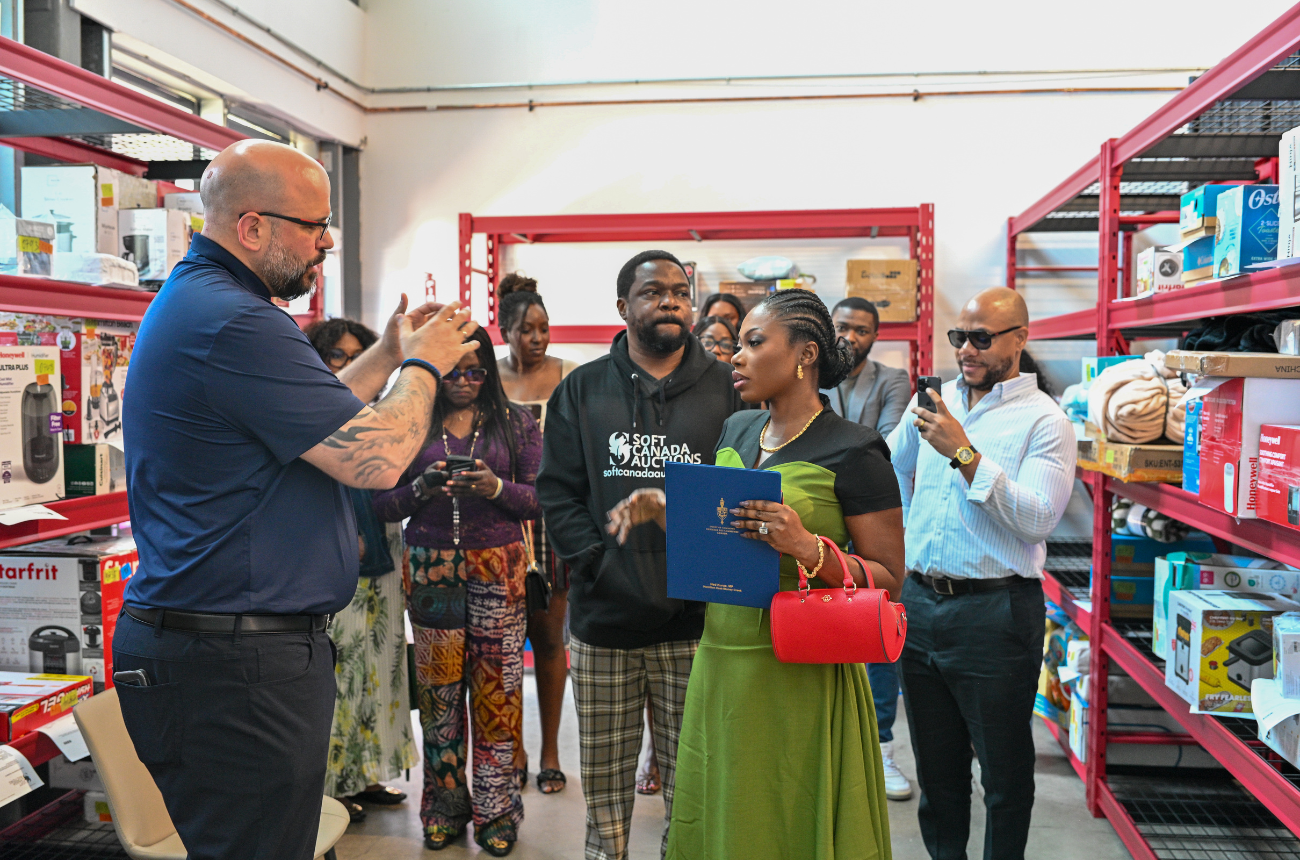
Built on Belief and Backed by Great Deals: Soft Canada Auctions Launches to make winners every week.
How to Survive Your First Winter Without Overspending
The Truth About Loneliness Among New Immigrants in Canada
BISC MedSpa & Cosmetics Opens Its Doors in Etobicoke — Beauty Gets a New Home in Toronto
Why Many Newcomers Are Leaving Toronto and Vancouver for Smaller Cities
The Rise of “Soft Life” Economics Among African Immigrants in Canada