




.webp)


For many African newcomers, Canada's emphasis on privacy, independence and personal boundaries can feel unfamiliar, but understanding these cultural differences can make integration easier.





The elevator incident may sound funny, but it captures a deeper cultural adjustment many African newcomers experience in Canada.
You arrive expecting friendliness to naturally lead to familiarity, familiarity to friendship and friendship to the kind of relationship where someone can call you at 9 p.m. and announce, “I’m outside.”
Then Canada introduces you to the concept of an appointment.
Suddenly, friendship requires scheduling, help requires permission and privacy is treated almost like a human right. What initially feels like distance can actually be a different understanding of how adults relate to one another.
.webp)
Why Is Everyone So Busy?
Another cultural adjustment involves time. African social life can often be spontaneous. Someone can call and say they are nearby. A friend may visit without weeks of planning. Relatives can appear at your home with the confidence of people who apparently believe doors were invented for them.
Canadian social life is often more scheduled.
Want to see a friend? Check the calendar. Want to visit someone? Send a message first. Want to organise dinner? Prepare for a negotiation involving everyone's work schedule, childcare arrangements and availability.
Sometimes getting four adults to have dinner together requires the logistical planning of a small international summit.
But this scheduling reflects something important: personal time is valued. People have commitments, and respecting those commitments is part of respecting the person.
For newcomers, learning to plan social interactions can therefore be an important part of cultural adaptation.
Asking for Help Can Feel Different
In communal societies, asking for help is often normal. If your car breaks down, you may call a friend. If you are moving house, relatives and acquaintances may appear. If you are struggling with something, someone may offer practical assistance before you even ask. In Canada, people certainly help one another, but expectations can be different. Adults are generally expected to handle many aspects of their lives independently. That can sometimes make newcomers feel that people are less caring. But there is another interpretation. Respecting someone's independence can also mean allowing them to decide when they need assistance. This is why learning to offer help without imposing it is important. You can say, “Let me know if you need anything,” rather than assuming that someone wants you to intervene. The difference may seem small, but culturally, it can be significant.
Don't Confuse Boundaries With Rejection
One of the most important lessons for newcomers is learning not to interpret every boundary as hostility. Someone declining an invitation does not necessarily dislike you. Someone who does not ask personal questions may simply respect your privacy. Someone who does not visit your home unexpectedly may actually be trying to be considerate. And someone who says they are busy may genuinely be busy. This can be difficult when you come from an environment where closeness is demonstrated through frequent involvement.
Individualism has advantages that newcomers may eventually come to appreciate. It can provide privacy, autonomy and freedom to make personal decisions. You can choose your career, decide where to live, establish boundaries and say no. You can make decisions about your relationships and finances without an extended family committee demanding minutes from the meeting. For some newcomers, that can be liberating. The goal should not be to decide that communalism is good and individualism is bad, or vice versa. Both systems have strengths and weaknesses. Communal cultures can provide extraordinary support, but they can also create pressure and interference. Individualistic cultures can provide independence and privacy, but they can also contribute to loneliness and social isolation.
You Don't Have to Stop Being African
Cultural adaptation does not require cultural abandonment. African newcomers can retain the warmth, hospitality, generosity and strong family connections that are valuable parts of their cultural backgrounds while learning to navigate Canadian expectations around privacy and independence. You can still check on your neighbour. You can still invite people into your home. You can still maintain close relationships with family and help people. But you may need to understand that not everyone will express friendship, gratitude or concern in exactly the same way. Integration is not about becoming less African. It is about becoming culturally flexible.
Build Community Instead of Waiting for It
The danger of adapting too strongly to individualism is becoming isolated. A newcomer may eventually conclude, “Everybody here minds their business, so I will mind mine too.”
That can make life easier; but also lonelier.
Building community requires intentional effort. Join a sports club. Volunteer. Attend cultural events. Participate in professional associations. Get involved in your local community. Talk to your neighbours. Invite people for coffee. Community does not happen simply because people live near one another. It develops because people repeatedly choose to participate in one another's lives.
Finding the Balance
Perhaps the healthiest approach for African newcomers is not to choose between African communalism and Canadian individualism. Take the best of both.
Keep the communal instinct to check on people, help others and build relationships. At the same time, learn the Canadian appreciation for privacy, independence and personal boundaries. Know when to offer assistance. Know when to give someone space. Know when a conversation is simply a conversation; and when a friendship is actually beginning. That balance can make the Canadian experience considerably easier.
Canada Can Become Home Without Losing Who You Are
Moving to Canada is not simply a geographical relocation. It is also a cultural adjustment. You are learning new rules about work, communication, relationships, privacy and community; many of which are never written down anywhere. For some African newcomers, the culture of individualism can initially feel cold. But with time, what first appears to be distance can become understandable as a different form of social etiquette.
And perhaps that Nigerian couple eventually learned the lesson from their mysterious elevator neighbour. Maybe she did not forget them. Maybe she simply had a different definition of what happened in that elevator. For them, it was the beginning of a relationship. For her, it may have simply been a very pleasant elevator ride. And therein lies the cultural lesson: sometimes, an African newcomer thinks a friendship has begun when a Canadian thinks you simply had a nice Tuesday.


SoftCanada does not assume responsibility for content published on external websites or sourced from third parties.
.webp)
.webp)
.webp)
%20(1).webp)
.webp)




.webp)
.webp)

Rent Is Finally Coming Down in Some Canadian Cities. Should Newcomers Be Excited?
Canada vs. the United States: Where Is It Easier for an Immigrant to Build a Life? — Part 2
Fonthill Welcomes Fountain Veritas Medical Centre
Inside the Expedier Business Gala: A Room Full of Business Owners and a Platform Ready to Back Them
A New Governor Takes the Helm: Uche Okugo Installed as District Governor of Rotary International District 7080
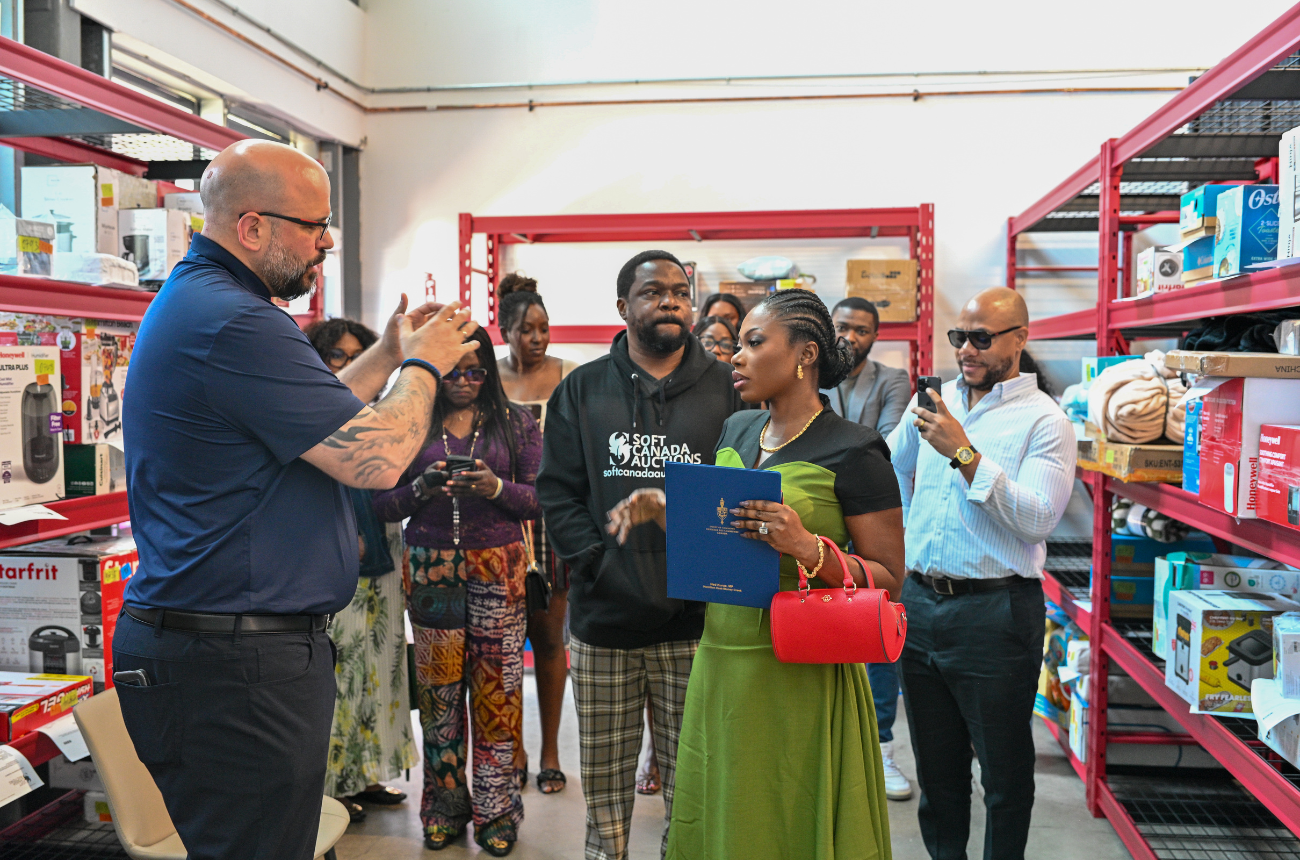
Built on Belief and Backed by Great Deals: Soft Canada Auctions Launches to make winners every week.
How to Survive Your First Winter Without Overspending
The Truth About Loneliness Among New Immigrants in Canada
BISC MedSpa & Cosmetics Opens Its Doors in Etobicoke — Beauty Gets a New Home in Toronto
Why Many Newcomers Are Leaving Toronto and Vancouver for Smaller Cities