




.webp)


By Andrew Oladokun





Coming from environments shaped by corruption and institutional failure, the pursuit of wealth takes on a whole different dimension for many African and Nigerian immigrants. The drive for the accumulation of wealth and the attainment of material success in this context, isn’t about luxury or extravagance. For many newcomers, the prevailing mindset is that wealth equals protection. Within this context, there is the constant unremitting fear of falling behind. This fear is intrinsically tied to the classism and gaping economic disparities of societies bedeviled by unabated corruption. Growing up in this dystopian socio-economic milieu, many immigrants naturally cultivate an aggressive drive for success as a trauma response.

Aggressive Ambition as a Form of Fear
The fear of poverty is a powerful push factor that drives the desire to migrate. Many immigrants are constantly tormented by the pressure to escape family and structural limitations, which create somewhat unusual behavioural patterns. The inclination to over-plan, overwork, and over-save are some of the most common presentations seen in migrants from these kinds of environments. This fear-driven financial behavior shows up in the trivialisation of rest and self-care, while cultivating an identity rooted in relentless productivity and overworking. There are serious cultural nuances to this predicament as well. The paradoxical nature of a culture that glamorises wealth and self-sufficiency while simultaneously associating laziness, low intelligence, and moral weakness with poverty creates a psychological tension that is difficult to resolve. As a result, individuals often internalize both the fear of returning to deprivation and the shame of appearing insufficiently successful, producing a continuous cycle of anxiety-driven ambition and emotional exhaustion.
Awakening: Entering a Functioning System
Coming from an unpredictable system, the mindset of the immigrant is often programmed toward doing more, striving harder, and constantly anticipating instability. While many migrants are cognitively aware of how they have been shaped by the vicissitudes of their home countries, they still tend to internalize, at an emotional level, the belief that they are solely responsible for their own success or failure, despite overwhelming structural and environmental constraints working against them. The shock of entering a functioning system is therefore very real for many migrants. The transition from unpredictable environments to more stable and organized societies does not immediately erase deeply embedded survival instincts. When they encounter structured systems in countries like Canada, the experience is often one of quiet disorientation; mixed with subtle relief and a dawning realization of how normalized irregularity and instability once were. Over time, however, the predictability of these systems begins to soften the urgency of survival, gradually reshaping perception, reducing fear-driven behaviour, and triggering a slow but steady shift toward a more intentional, balanced, and minimalist mindset.
Slow Emotional Recalibration Towards Minimalism
The shift from more money always to ensuring stability is a slow emotional recalibration that happens over time. It is in the reduced need for external validation through wealthy display and the absence of judgmental societal standards despite institutional failures that militate against upward economic mobility. For the immigrant in this new system, the shift begins with the prioritization of balanced living. It is the reduced psychological pressure to prove success. it is the slow adoption of a simpler lifestyle and improved emotional regulation. It is the gradual understanding life is for living and not a constant battle to circumnavigate never-ending systemic adversities. This slow emotional calibration is seen in the abandonment of scarcity-driven compulsive accumulation to the prioritization of life, love, relationships and actual living.
What is the Emergence of Minimalist Values?
The emergence of minimalist values reflects a quiet but profound recalibration of priorities where consumption gives way to intentional living and external validation loses its grip on self-worth. In this shift, simplicity becomes not just a lifestyle choice but a form of emotional regulation that offers clarity, stability, and a more sustainable way of being in the world.


SoftCanada does not assume responsibility for content published on external websites or sourced from third parties.
.webp)
.webp)
%20(1).webp)



.webp)
.webp)

.webp)

Inside the Expedier Business Gala: A Room Full of Business Owners and a Platform Ready to Back Them
A New Governor Takes the Helm: Uche Okugo Installed as District Governor of Rotary International District 7080
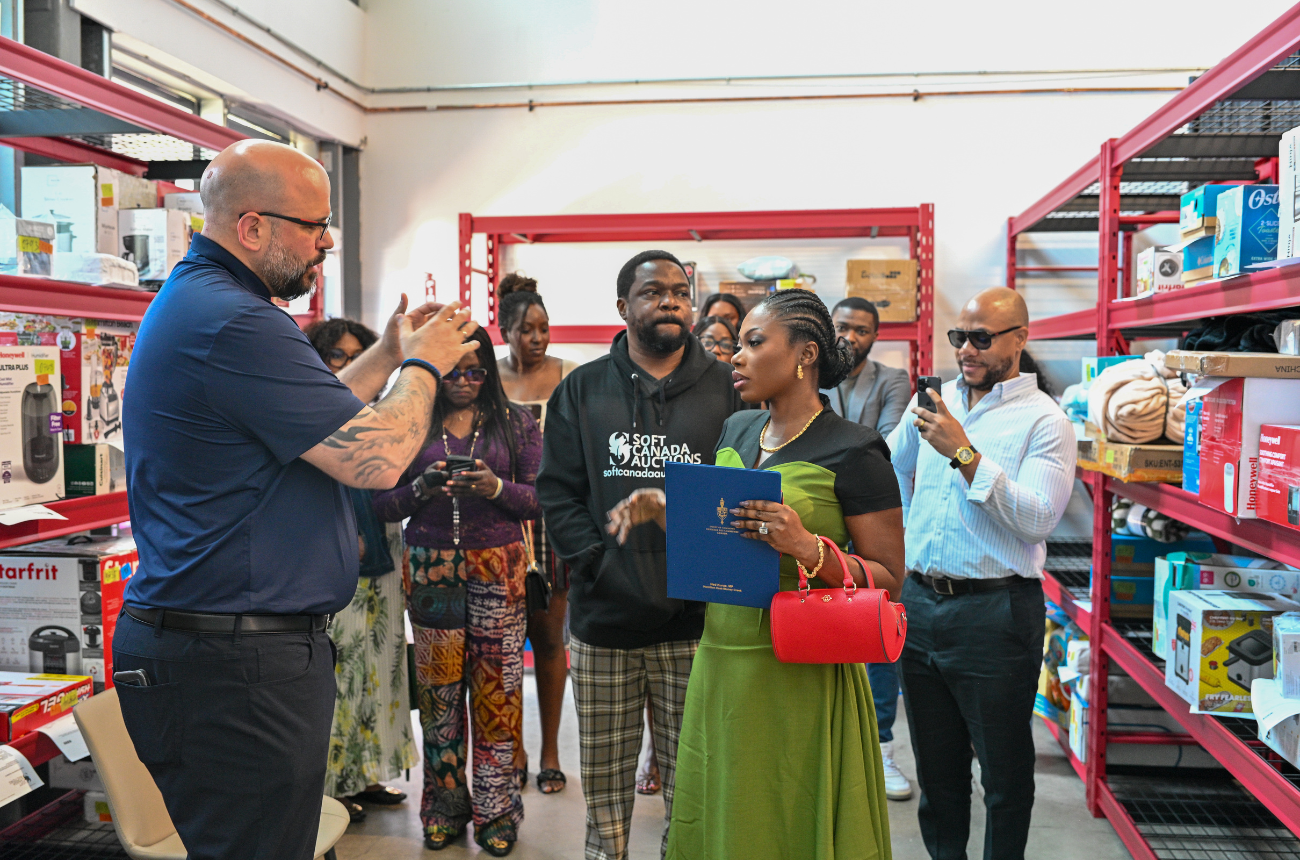
Built on Belief and Backed by Great Deals: Soft Canada Auctions Launches to make winners every week.
How to Survive Your First Winter Without Overspending
The Truth About Loneliness Among New Immigrants in Canada
BISC MedSpa & Cosmetics Opens Its Doors in Etobicoke — Beauty Gets a New Home in Toronto
Why Many Newcomers Are Leaving Toronto and Vancouver for Smaller Cities
The Rise of “Soft Life” Economics Among African Immigrants in Canada
We Were in the Room: Classico Roma Opens Its New Luxury Showroom in North York
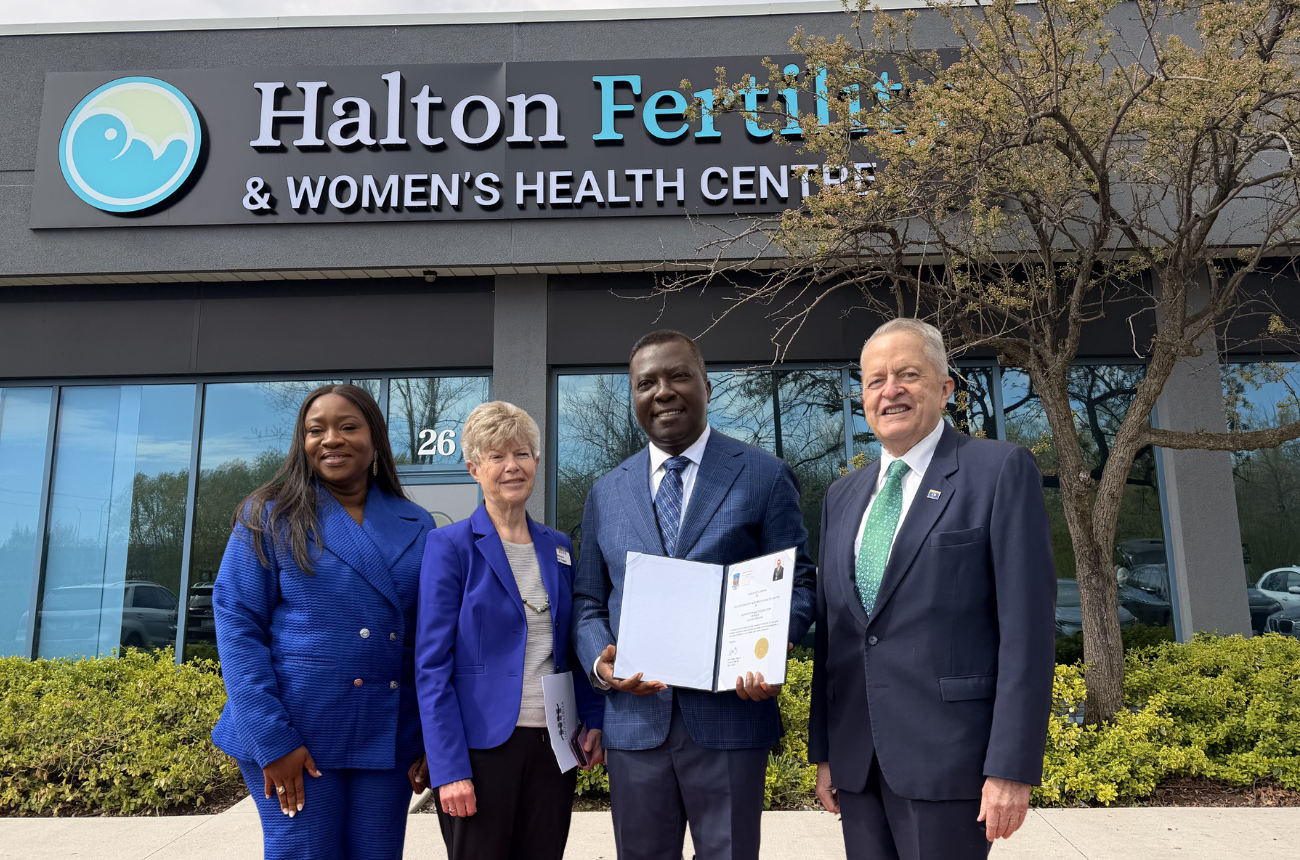
Inside the Launch of Halton Fertility & Women's Health Centre