




.webp)


For many African immigrants, food is more than nourishment. It is memory, identity, and emotional grounding in unfamiliar environments. African grocery stores quietly restore belonging by reconnecting newcomers to language, ritual, and taste. In Canada’s fast paced immigrant experience, these spaces offer comfort, continuity, and cultural affirmation, even when rising costs make accessing familiar ingredients a deliberate and meaningful choice.
.png)




The nostalgic smell of dried fish, freshly ground melon seeds, and the mouthwatering visuals of yams stacked carefully against one another cannot be replaced. The emotional connection Africans have to their cuisines and delicacies runs deep, rooted in memory, identity, and shared cultural experience. For the Nigerian and African immigrant, food is not just nourishment; it is a delicious way of reconnecting with self. In a fast-paced society, food is often reduced to calories, energy, and sustenance. For many African immigrants, however, food transcends nourishment, as each ingredient carries memory, comfort, and cultural affirmation. When considered objectively, it becomes unmistakably clear why African grocery stores matter more than we admit.
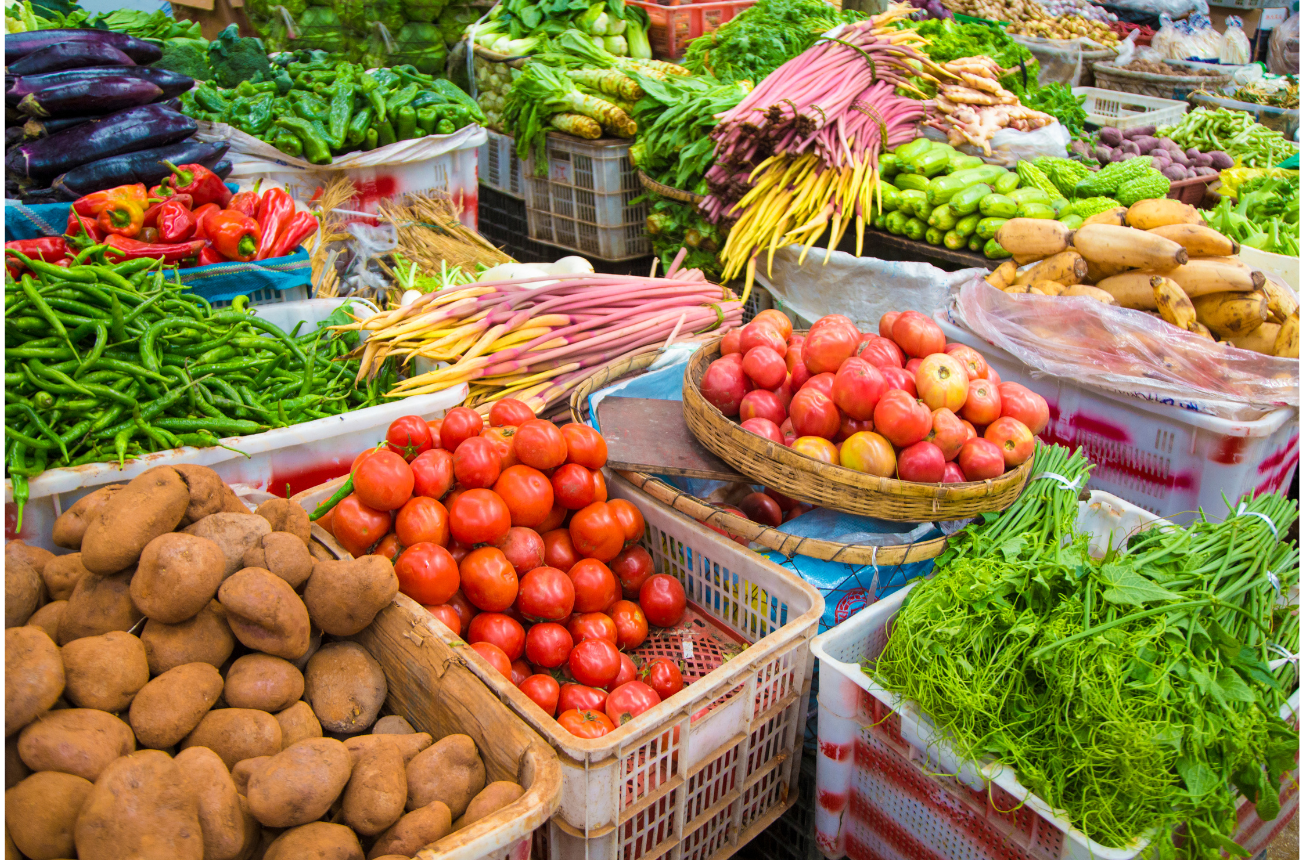
In most cases, immigration almost implicitly means disconnection from home and the familiar rhythms that once anchored life. Adaptation and acculturation quickly become immediate concerns for newcomers, who must simultaneously cope with being far from family, language, and weather routines. While the experience can be exciting, it often carries quieter challenges, including suppressed feelings of loneliness and homesickness. Turning a corner and discovering an African grocery can have a powerfully uplifting effect on the mind. For many, visiting the store becomes an intimate ritual of belonging, a ritual not driven by the logistics of feeding, but by reconnection to language, memory, and the quiet reassurance that home, though distant, is still within reach.
The excitement of having an African grocery store nearby is not without sacrifices and drawbacks. Walking into one is like stepping into Africa while still in Canada. The familiar accents, smells, and etiquette can feel almost unreal. The promise of a home filled with the tantalizing aroma of your favorite delicacy is even more compelling. However, experiencing this in Canada comes at a cost that many immigrants cannot easily afford. African groceries are significantly more expensive, making it difficult to prioritize cultural meals despite financial pressures. Despite this constraint, many African immigrants continue to value the ritual of visiting these stores.
The experience begins quietly in the grocery store, where the sights, smells, and familiar products spark a sense of belonging and community. The preparation of the meal becomes a central ritual, as the savory aromas of African spices slowly penetrate the Canadian cold, reinforcing identity and preserving cultural memory. Finally, when the meal is served and touches the tongue, tantalizing the taste buds and awakening the senses, the comfort of home is fully relived, momentarily bridging the distance between past and present, here and there.
Canada needs more African grocery stores, not just for Africans, but as part of the country’s multicultural melting pot. These markets bring flavors, traditions, and stories that enrich everyday life, foster connection, and celebrate diversity. In doing so, African groceries become more than stores; they become bridges between cultures and vibrant threads in Canada’s ever-evolving tapestry.


SoftCanada does not assume responsibility for content published on external websites or sourced from third parties.
.webp)
.webp)
%20(1).webp)



.webp)
.webp)

.webp)


Inside the Expedier Business Gala: A Room Full of Business Owners and a Platform Ready to Back Them
A New Governor Takes the Helm: Uche Okugo Installed as District Governor of Rotary International District 7080
Built on Belief and Backed by Great Deals: Soft Canada Auctions Launches to make winners every week.
How to Survive Your First Winter Without Overspending
The Truth About Loneliness Among New Immigrants in Canada
BISC MedSpa & Cosmetics Opens Its Doors in Etobicoke — Beauty Gets a New Home in Toronto
Why Many Newcomers Are Leaving Toronto and Vancouver for Smaller Cities
The Rise of “Soft Life” Economics Among African Immigrants in Canada
We Were in the Room: Classico Roma Opens Its New Luxury Showroom in North York
Inside the Launch of Halton Fertility & Women's Health Centre